


Introduction to Pamela Blair and The Reluctant Womb
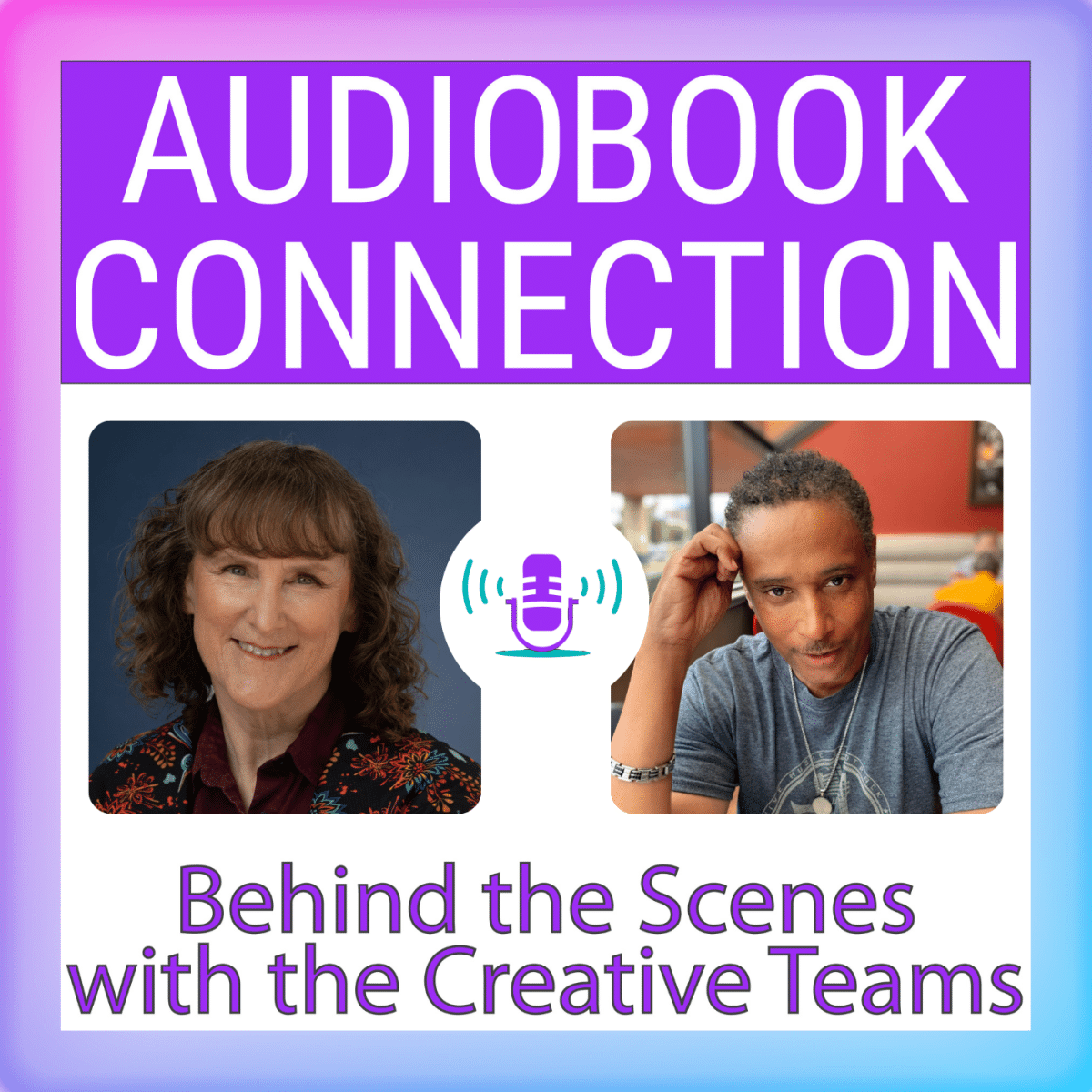
In a heartfelt conversation on Audiobook Connection, host Becky Parker Geist interviews Pamela Blair, the author of The Reluctant Womb. Pamela brings decades of rich life experience to her writing, having held diverse roles as a Broadway dancer, social worker, psychologist, solo traveler, and single mother. Now in her post-retirement years, Blair has authored a deeply personal and socially critical novel that addresses pregnancy, women’s choices, and autonomy amid the complex cultural landscape of the 1960s and beyond. This blog post dives into the inspirations behind The Reluctant Womb, its themes, and its relevance in today’s shifting reproductive rights climate.
The Origin of the Title and Book Concept
The evocative title The Reluctant Womb was inspired collaboratively by Pamela’s writing group friends who suggested combining ‘reluctant’ with ‘womb’ to create a compelling phrase that captured the book’s essence. Pamela appreciated the flow and unique specificity the title offered compared to simply naming the book “Womb.” The idea to write the story was sparked after watching a film about abortion, which led Pamela to share personal stories about two friends who became pregnant in 1963 — one underwent an illegal abortion, while the other placed her child for adoption. This deeply moving and dramatic real-life narrative motivated her to turn their experiences into a novel rather than a script.
Contextual Background and Social Issues Explored
The Reluctant Womb is set just before the Roe v. Wade decision when abortion was illegal and birth control was not widely accessible. Pamela sheds light on how societal judgment and limited options shaped the lives of young women confronting unplanned pregnancies. The novel explores themes of friendship, survival, love, shame, and the social pressures that restricted women’s autonomy over their own bodies during a tumultuous time marked by the sexual revolution and political unrest. Pamela’s goal was to present these issues with nuance and empathy, aiming to bridge the divide between polarized views on abortion.
A Nuanced Perspective on Choice and Governmental Role
One of Pamela’s key messages in the book is the complexity and deeply personal nature of abortion decisions, underscoring that there is no universally “right” or “wrong” answer. She firmly argues that the government should abstain from legislating such intimate choices, as the burden on the woman herself is already immense. Pamela’s personal history enriches this perspective — she shares how her own mother revealed she wished she could have had the freedom to choose in her time. This revelation came as Pamela was pregnant at 36 and planning to be a single mother, adding emotional weight to the narrative.
Incorporating Real Letters and Personal Stories
A unique element of the novel is the inclusion of letters from a character named Chris. These letters were based on actual correspondence received from one of Pamela’s friends who had placed her child for adoption. Pamela received these letters nearly a decade prior and incorporated edited versions into the book after securing permission, using them to lend authenticity and emotional depth to the story. Sadly, the friend passed away shortly before the book’s publication but had seen an early manuscript version and supported the storytelling.
Contemporary Relevance Post-Roe Reversal
Although Pamela began writing The Reluctant Womb before the reversal of Roe v. Wade, the legal shift significantly increased the novel’s immediacy and relevance. Pamela hoped her work would prompt readers—especially young women facing difficult reproductive decisions—to reflect more deeply without steering them toward a particular choice. The story highlights the enduring difficulties women encounter when autonomy over their reproductive health is limited or denied. Pamela affirms that the novel aims to offer empathy and insight rather than advocacy for any specific decision.
Book Club Questions and Reader Engagement
Understanding the importance of reflection and discussion, Pamela included thoughtful questions at the end of her book to engage readers. These questions encourage readers to put themselves in the characters’ positions, challenging them to consider what they might do in difficult circumstances. Pamela’s own experience in book clubs influenced this approach, seeking to foster meaningful dialogue rather than simplistic answers.
Looking Ahead: Pamela Blair’s Upcoming Work
Continuing her exploration of profound human stories, Pamela is working on a new novel set in France about a German-Jewish couple who survived Nazi Germany’s persecution and later established prestigious boarding schools in the United States. This story celebrates immigrant resilience and contributions, further broadening Pamela’s literary landscape.
Conclusion: The Importance of Storytelling for Women’s Autonomy
The Reluctant Womb is both a poignant historical novel and a contemporary commentary on reproductive rights. Pamela Blair’s intricate storytelling draws from her multifaceted life and intimate accounts to offer a compassionate, nuanced look at one of the most challenging choices faced by women. Available soon as an audiobook on Amplify Audiobooks, it invites readers to understand the emotional and societal dimensions of pregnancy and choice — an urgent conversation in today’s world.
Share This!
Related Posts
Discover why human narration remains essential in audiobooks, the risks of AI voices, and how authors can protect their brand and boost royalties with AMPlify Audiobooks.
Discover how business acumen bridges the gap between functional expertise and impactful leadership. Kevin Cope explores the essential skills leaders need to see the big picture and drive meaningful results.
Discover the truth behind Spotify’s free AI audiobook narration tool, its licensing implications, listener trends, and better alternatives for authors.


