


Understanding Spotify’s Free AI Audiobook Narration Tool
Spotify recently unveiled a free AI audiobook narration tool available for self-published U.S. authors. While the prospect of free narration may seem like a great opportunity, it carries significant caveats that authors should carefully consider before opting in.
What Is the Spotify AI Narration Tool?
Spotify’s tool uses AI voices from ElevenLabs to transform EPUB manuscripts into audiobooks. Authors can select from several AI voices, review chapter previews, adjust pronunciations, and submit their books for narration. Once submitted, the audiobook is typically published within 72 hours with minimal opportunity for revisions post-approval.
The Key Limitations and Fine Print
- Authors are limited to narrating a maximum of five books through this free tool.
- Each audiobook can be up to 150,000 words in length.
- Deleting or unpublishing a book does not restore available slots for additional titles.
- Up to four revisions are allowed per title, but these count against your generation limit even after publication.
- Spotify may change or remove beta features without prior notice.
Licensing and Royalty Considerations
Worldwide Non-Exclusive License
In exchange for free narration services, authors grant Spotify a worldwide non-exclusive license to use their content for product development, testing, training, and modeling. While Spotify states they will not create new books or voices based on your content without permission, the exact scope of this license remains somewhat ambiguous.
Removal requests are possible but not guaranteed, and existing listeners may retain access to AI-narrated versions even if removal occurs.
Royalty Structure and Pricing
- Authors receive 50% of their set retail price on direct purchases.
- Subscription-based listening royalties derive from a monthly fluctuating pool, distributed based on the percent of your book listened to.
- Spotify does not disclose pool rates or how retail prices are set; authors may submit suggested prices but final control appears to rest with Spotify.
- No royalties are paid on promotional excerpts, refunds, or discounted codes.
Listener Sentiments and Industry Trends
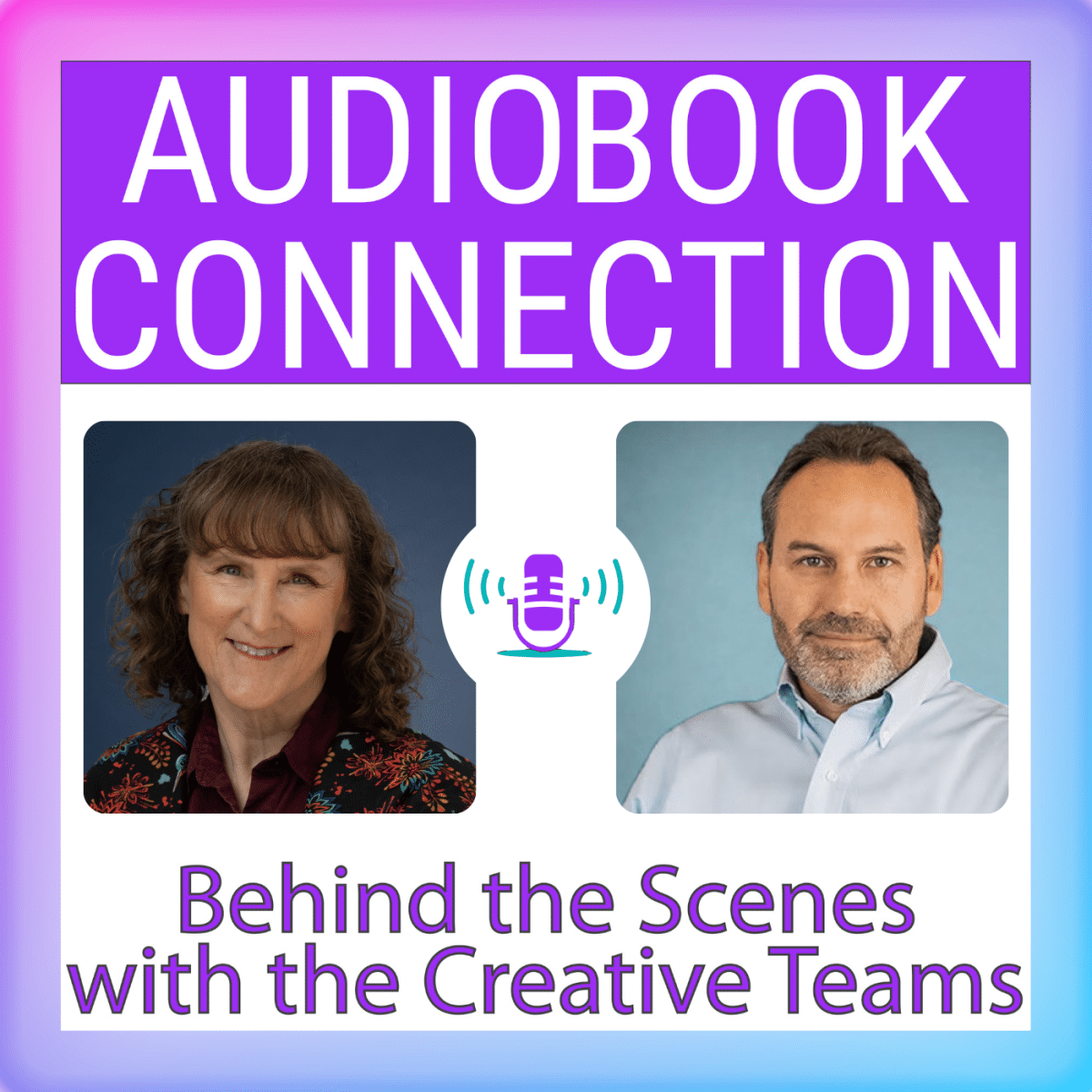
Author Becky Parker Geist, host of the Audiobook Connection podcast and member of the Audio Publishers Association (APA), highlights recent data revealing a decline in listener interest in AI audiobooks:
- Only 16% of audiobook listeners have ever heard an AI-narrated audiobook, down from 19% the prior year.
- The willingness to try AI narration has decreased from 70% to 61%.
- The percentage of listeners who strongly dislike AI audiobooks rose sharply from 2% to 19%, with 52% expressing negative sentiments overall.
- AI audiobooks generated just 0.03% of the $2.43 billion audiobook market revenue in 2025, despite an increase in AI audiobook titles published.
These trends indicate waning consumer enthusiasm and limited revenue potential for AI-narrated content in the current market.
The Value of Professional Narration vs. AI
Quality remains critical in audiobook production. Professional narration supports author branding by creating connections with listeners. Unlike AI voices, professional narrators can cultivate loyal followings, increasing audiobook discoverability and sales over time.
Poorly produced audiobooks—whether AI or human-narrated—risk alienating listeners and damaging an author’s reputation.
Cost Considerations and Alternative Platforms
One of the main drivers behind AI narration is cost: professional narration can be expensive. However, emerging platforms like Amplify Audiobooks offer authors better royalty rates (around 65%) and price control, allowing authors to set more affordable prices for listeners without sacrificing income.
Amplify Audiobooks also provides marketing tools, audience insights, and a direct author-to-listener connection, addressing some of the limitations of larger retailers and AI narration models.
What Authors Should Ask Before Choosing AI Narration
“Is the potential cost saving worth the loss of control over your content licensing and the possible alienation of your listeners?”
- Are you comfortable granting Spotify a broad license to your work?
- Do the royalty and pricing structures align with your financial goals?
- Will AI narration negatively impact your author brand or listener trust?
- Are you aware of alternative options that offer better control and sustainable revenue?
Final Thoughts
While Spotify’s free AI audiobook narration tool provides an intriguing option for self-published authors looking to reduce production costs, it comes with complex trade-offs relating to licensing, royalties, and listener perception. Given current data showing declining audience enthusiasm for AI narration and the paramount importance of quality, authors should carefully weigh their options. Exploring alternative audiobook publishing models like Amplify Audiobooks may prove more beneficial for long-term success and listener engagement.
For authors interested in deeper industry insights or to share experiences regarding AI narration, reach out via email at ac@proaudiovoices.com.
Additional Resources
Share This!
Related Posts
Discover how Christine “Kippy” Hoene, author of The Whistler’s Daughter, defies medical predictions by embracing new sports and life’s adventures with courage and joy.
Discover why human narration remains essential in audiobooks, the risks of AI voices, and how authors can protect their brand and boost royalties with AMPlify Audiobooks.
Discover how business acumen bridges the gap between functional expertise and impactful leadership. Kevin Cope explores the essential skills leaders need to see the big picture and drive meaningful results.


