2026 Changes on ACX
The audiobook industry keeps changing. If you’ve published audiobooks through ACX, you’ve likely received notice about Audible’s royalty changes and the new ACX royalty changes—changes that could have significant implications for authors, publishers, and narrators alike.
If you’ve published audiobooks through ACX, you’ve likely received notice about Audible’s royalty changes. At first glance, the news sounds positive. Higher royalty percentages? More reporting? More ways to earn?
Who wouldn’t want that?
But the details matter, and as is typical, those get buried in hopes you’ll overlook them.
The question here isn’t whether the percentage is higher.
It’s what is the percentage based on?
Most creators assume 40% means 40% of the selling price. It doesn’t. The royalty is calculated according to Audible’s royalty formula, which is very different from receiving 40% of the retail price. That’s an important distinction many creators don’t fully understand until much later.
For years, many authors and publishers have relied on a relatively straightforward royalty model in audiobook distribution. When a listener purchased or redeemed a credit for an audiobook, a royalty was generated. While not perfect, the connection between the listener’s action and the creator’s compensation was reasonably clear (except for how much of it goes to the creator).
At least under the previous model, creators could generally understand what event generated a royalty. Under the new model, Audible is moving toward a system that incorporates listener engagement and membership value. In other words, compensation is becoming increasingly tied to how subscribers use the platform.
We saw this happen in the music industry. Streaming promised broader reach and larger audiences—and it delivered. But many artists discovered that more listeners didn’t necessarily mean more income. Compensation became tied to complex formulas that creators couldn’t control and often couldn’t fully understand.
Some players in the audiobook publishing industry are now moving in a similar direction.
What Are the Risks?
The biggest risk is uncertainty. And uncertainty is rarely a creator’s friend.
Authors and publishers currently have very little historical data to determine how their audiobook income may change under the new system.
Questions remain:
- Will niche nonfiction titles perform as well?
- Will shorter audiobooks earn less?
- Will educational and business titles be disadvantaged compared to binge-listened fiction series?
- Will premium-priced audiobooks generate the same revenue they once did?
At this point, nobody outside Audible can answer these questions with confidence. And don’t expect any data-based answers from Audible.
Why This Matters
Whenever a platform changes how creators get paid, it’s worth paying attention—not just to the percentages, but to who controls the relationship, the pricing, the discoverability, and ultimately the revenue.
With this new ACX royalty model, creators who opt in will now also need to consider whether compensation becomes increasingly dependent on listener behavior that is largely outside their control.
As creators, we should always ask:
- Who controls the customer relationship?
- Who controls pricing?
- Who controls discoverability?
- Who controls the revenue formula?
The more control shifts toward a platform, the greater the risk for creators.
The Opportunity Hidden in the Change
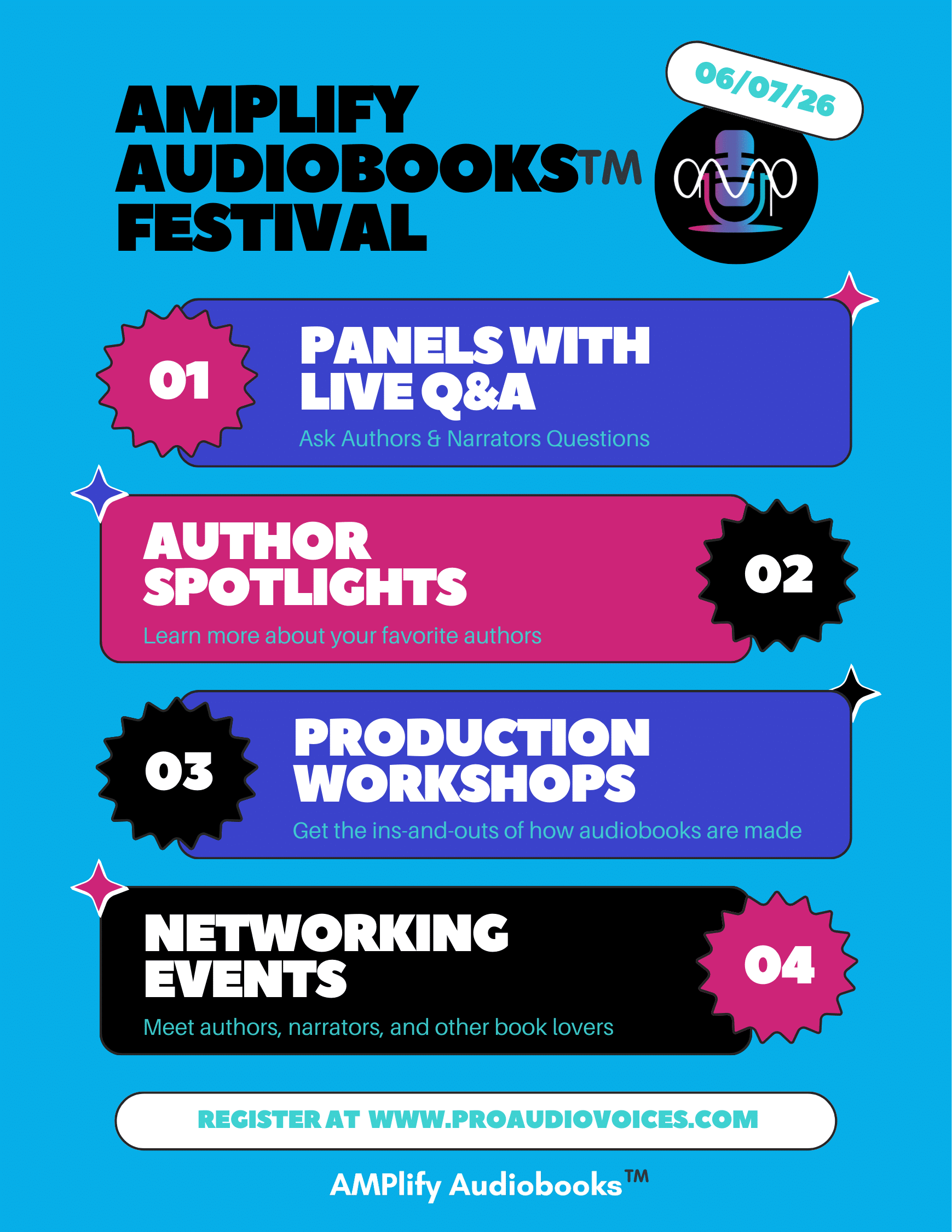
Every major industry shift creates an opportunity to reevaluate your business model and explore your options, such as the direct-sale marketing platform AMPlify Audiobooks™. Instead of giving up even more control by staying with ACX, consider slipping into the driver’s seat with AMPlify.
Rather than relying on a single platform, authors can use this moment to diversify distribution, increase royalties on every sale, strengthen direct relationships with listeners, and explore options that have built-in marketing tools—where you can grow into the successful author you dream of being.

The timing of this change is especially important because it may also create an opportunity for some creators to reconsider existing ACX exclusive agreements. We’ll explore that in next week’s article.
Over the next several weeks, we’ll examine the questions many authors are now asking:
- Should I enroll in the new model?
- How might my earnings change?
- Is this the right time to leave ACX exclusivity?
- How can I build more direct-to-listener revenue streams?
AMPlify Audiobooks™. Because books should bring us together in ways that help us all thrive.